Delivery Pressures May Increase Ahead of the UK’s Digital Switchover
by Innovus on 22 June 2026
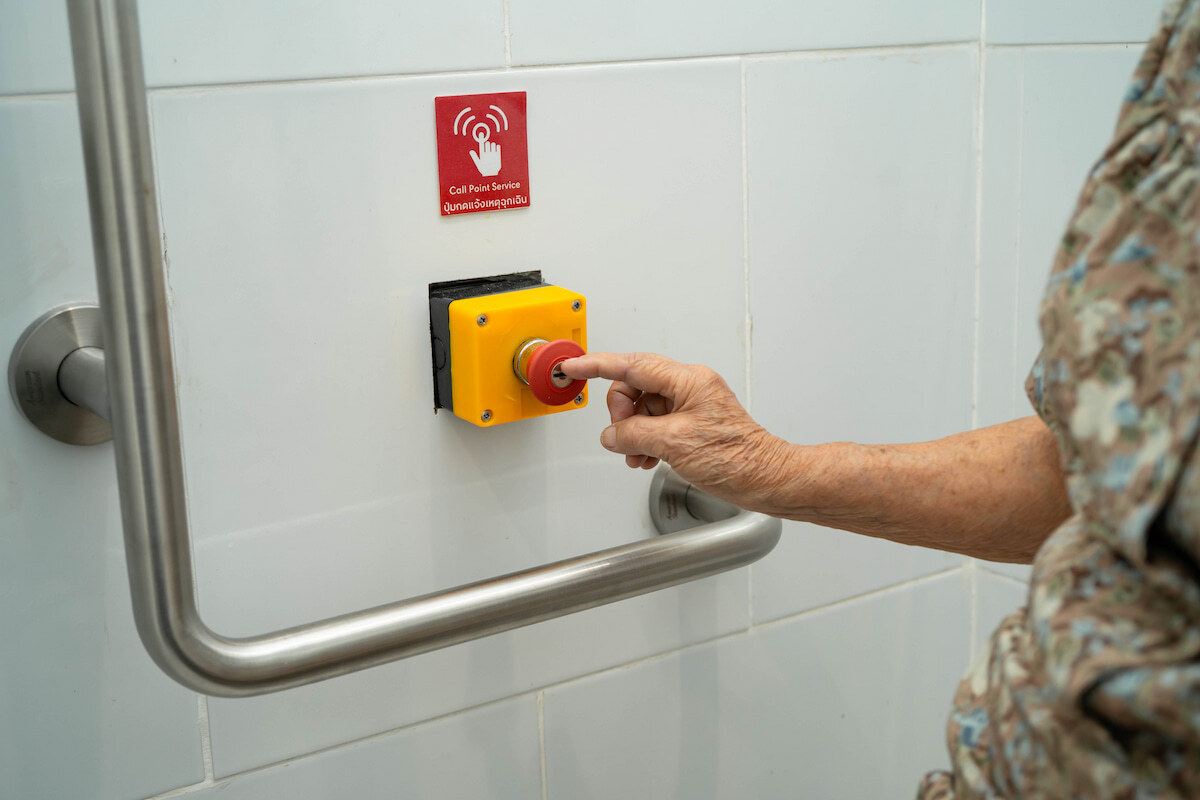
Why residential organisations may find planning windows narrowing as 2027 approaches
Clare Parker, Director of Surveying
Over the last 12 to 18 months, our surveying teams have seen a noticeable shift in the conversations taking place across the residential sector.
Early discussions around the UK’s move to fully digital landline services were largely focused on awareness and understanding what the transition meant. Increasingly, however, organisations are now moving into a different phase: trying to understand the practical implications for their buildings, portfolios and delivery programmes.
What many are discovering is that the challenge may be larger, potentially more expensive, and more operationally complex, than initially expected.
By January 2027, landline telephone services in the UK are expected to move to a fully digital network. For residential buildings still relying on analogue connectivity for emergency call systems, lift emergency phones and wider communication infrastructure, that creates an important planning challenge.
Through our surveying work, we are still seeing organisations working to establish where analogue dependency exists across their buildings and what may require further investigation or upgrade.
In some cases, that exposure extends across multiple developments, particularly within older residential stock, later living schemes and supported housing environments.
The Challenge Is Becoming More About Delivery
One of the biggest shifts we are starting to see is that conversations are moving beyond the technology itself.
For many organisations, the immediate question is no longer simply whether analogue dependency exists, but how programmes of work will realistically be delivered across occupied residential environments ahead of the transition.
Emergency call systems are often integrated across apartments, communal areas, lift emergency phones and wider building infrastructure. That can make replacement or upgrade programmes more involved than many initially expect.
At the same time, awareness across the sector is increasing. Managing agents, facilities teams, housing providers and contractors are all becoming more focused on the implications of the transition and the potential operational risks associated with leaving programmes too late.
What remains difficult to predict is exactly how delivery capacity across the market may respond as more organisations move from assessment into implementation over the next 12-18 months.
A Narrowing Window for Planning
From what we are seeing, organisations that begin assessing their exposure earlier generally retain more flexibility around planning, procurement and programme management.
Those delaying assessment work may ultimately find themselves operating within tighter delivery windows, particularly if demand on specialist providers and contractors continues to increase as the deadline approaches.
This does not mean the sector is facing an immediate capacity crisis. But there is growing recognition that the closer organisations move towards 2027, the greater the potential pressure on delivery programmes, specialist resource and project coordination.
For residential operators already balancing building safety activity, remediation projects and wider compliance pressures, that may become increasingly challenging time-wise and financially.
The Risk Often Sits Quietly in the Background
One of the reasons this issue can be difficult to manage is that emergency call systems often continue operating normally right up until the point where a fault, disruption or failed connection occurs.
Unlike more visible building issues, analogue dependency can remain largely hidden within day-to-day operations.
But in many residential environments, particularly later living and supported housing schemes, emergency call systems remain critical infrastructure for residents who may rely on them in an emergency.
Within these settings, organisations are often balancing not only technical infrastructure considerations, but also resident reassurance, operational continuity and the practicalities of carrying out programmes of work within occupied environments supporting potentially vulnerable residents.
That is why many organisations are now taking a more proactive approach to understanding where exposure exists across their buildings before delivery pressures increase further.
As the sector continues moving from awareness towards implementation, the organisations likely to retain the greatest flexibility will be those able to assess requirements early and plan programmes in a structured way before delivery windows become more constrained.