Key Takeaways from the Building Regulation and Fire Safety Conference 2026
by Sara Dobbs on 2 March 2026
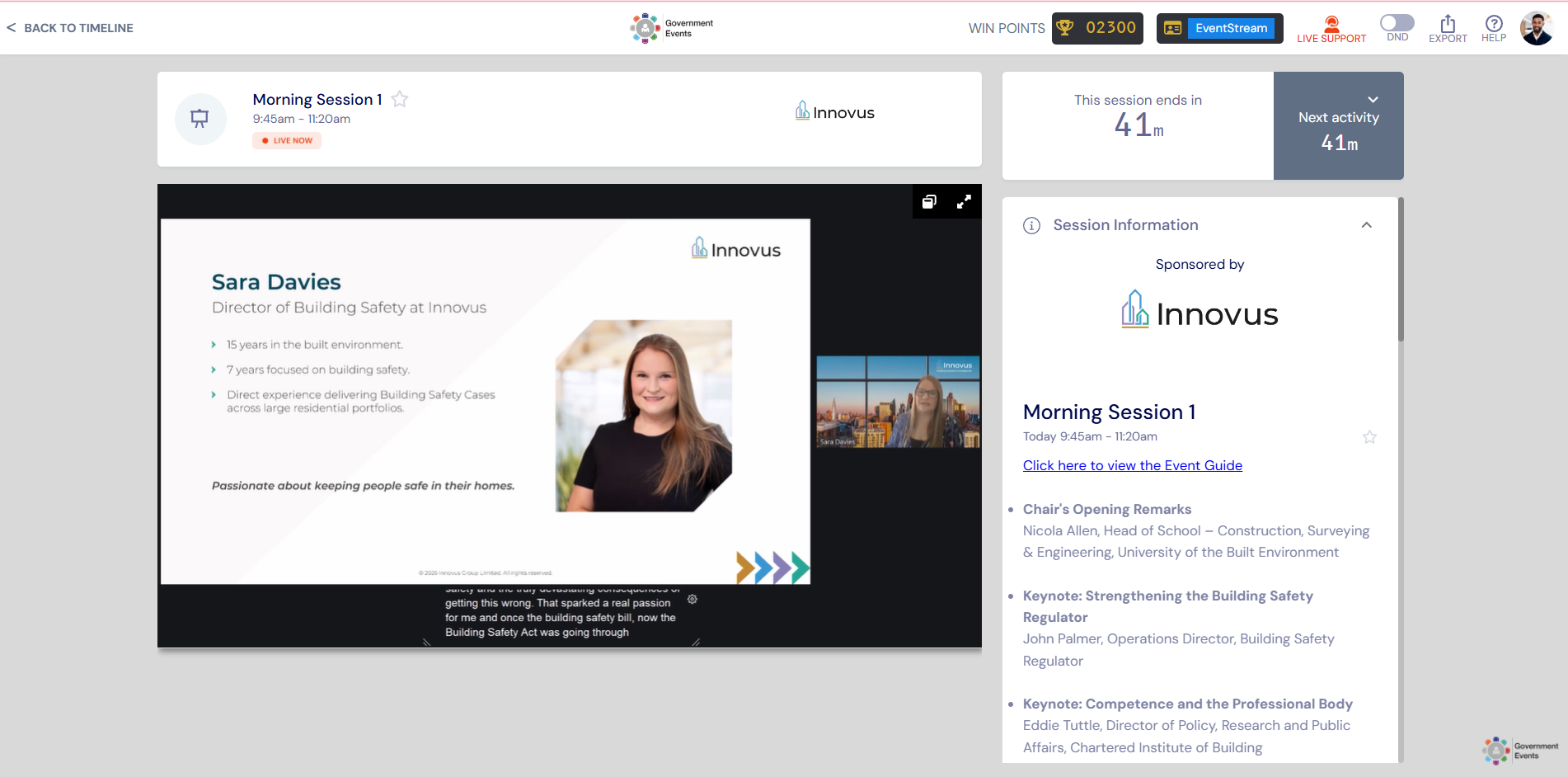
By Sara Davies, Director of Building Safety, Innovus
Speaking at The Building Regulation and Fire Safety Conference 2026 last week gave me the opportunity to step back and reflect on just how far our sector has travelled, and how much further we still have to go.
The pace of change across building and fire safety has been significant. New legislation, new expectations, and a new regulatory environment have reshaped the way we approach accountability. What was once guidance is now structured obligation. What was once assumed now needs to be evidenced.
In my session, I focused on what that looks like in practice, particularly in relation to Building Safety Case Reports and how they are being interpreted and reviewed. One of the recurring challenges I see is the tendency to treat submission or certification as an end point, or simply as a tick-box exercise focused on producing a set of documents. It is not. Achieving a Building Assessment Certificate is a milestone, but the underlying duty to understand and actively manage building safety risk continues long after documentation has been submitted.
In my day-to-day work supporting dutyholders across residential portfolios, I see this challenge reflected consistently in practice.
At its core, this is about mindset and culture change—very much in line with Dame Judith Hackitt’s report, which called for a more accountable, risk-led approach to building safety. A Safety Case should evidence a live, embedded risk management system, where responsibility is understood and owned, rather than simply demonstrate that paperwork has been completed at a single point in time.
Throughout the wider conference programme, several themes consistently surfaced.
Collaboration. Building and fire safety is not owned by a single role or discipline. It relies on designers, contractors, surveyors, managing agents, housing providers and regulators working in alignment. Effective communication and structured information management are what make that alignment possible.
Culture. Compliance is essential, but it is not enough. A reactive mindset will always leave gaps. What we need is a proactive approach to risk: one that anticipates change, regularly reviews assumptions and adapts as buildings evolve. Safety management must be continuous, not triggered only by external deadlines.
The golden thread featured heavily in discussions, and rightly so. It should not be viewed as a document exercise. It is a living record that supports informed decision-making across the lifecycle of a building. When maintained properly, it provides clarity and transparency, not just for regulators but for residents and those responsible for managing risk day to day.
There was also an important acknowledgement that responsibility in this space is ethical as much as technical. The built environment affects people’s lives in very real ways. Acting with integrity, openness and professional diligence is fundamental to maintaining trust.
What encouraged me most was the shared commitment in the room. There was honesty about challenges, but also a genuine passion for improving standards and learning from one another.
If there is one overarching takeaway from the event, it is this: we must be able to trust that the buildings we design, construct and manage are safe, and that they remain safe as circumstances change.
That requires structured systems, collaborative working and cultural maturity. But above all, it requires sustained attention, and I remain deeply passionate about continuing to drive that change in practice through the work we do at Innovus.
Sara Davies is Director of Building Safety at Innovus, leading specialist teams in adapting to evolving legislation and delivering practical, evidence-led safety solutions for clients. Her experience includes overseeing complex remediation works, emergency decants and Safety Case submissions, alongside developing resident engagement strategies and strengthening regulatory compliance. She is regularly consulted by The Property Institute and government on building safety matters.
To find out more about Innovus’ support across Building Safety and Compliance, or to discuss your approach to Building Safety Cases, explore our services pages or contact the team to continue the conversation.